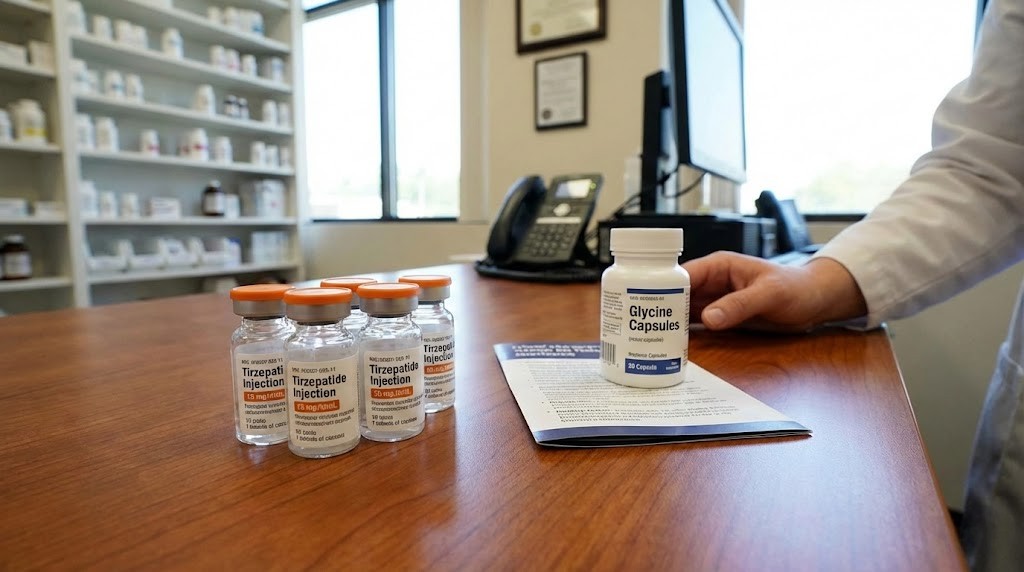
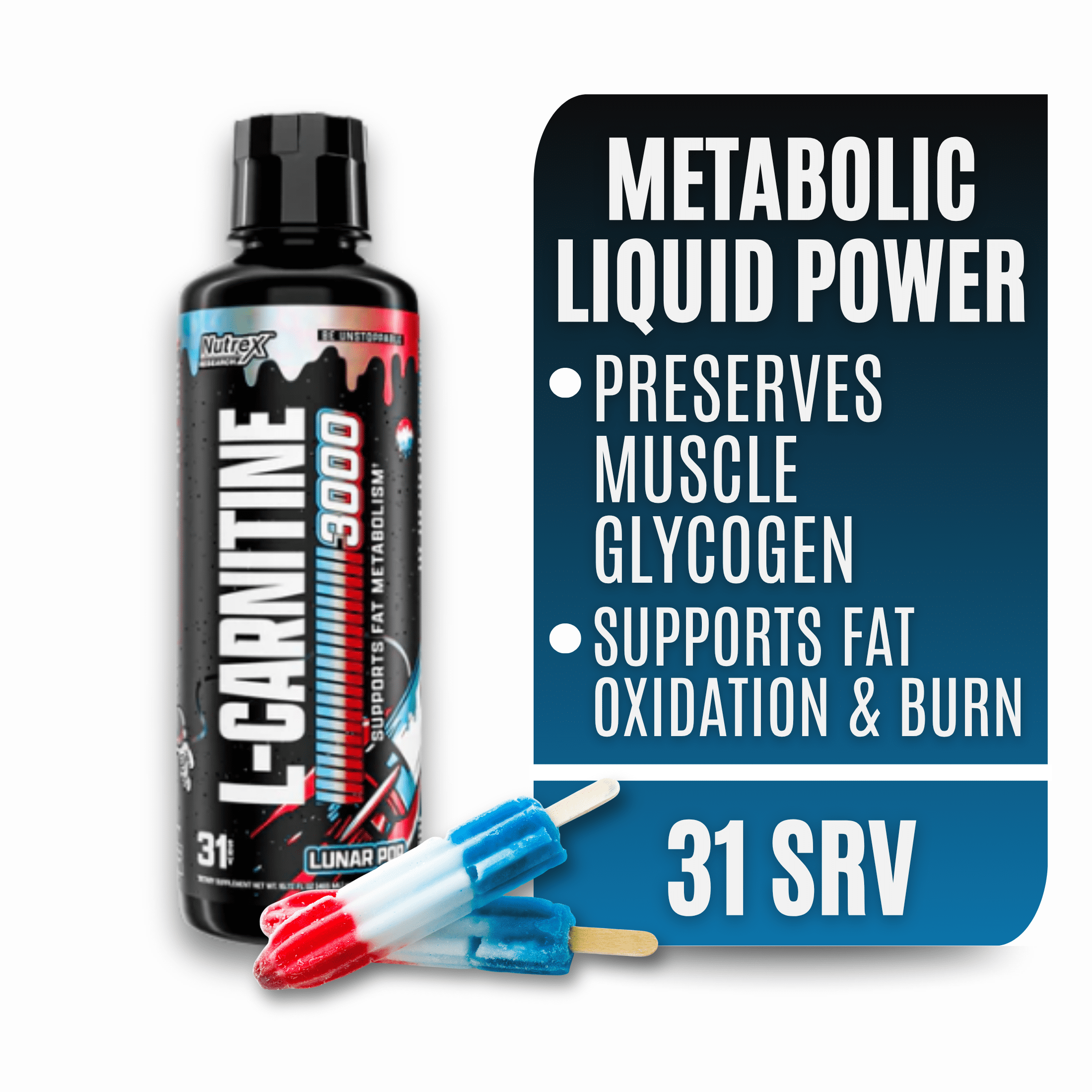
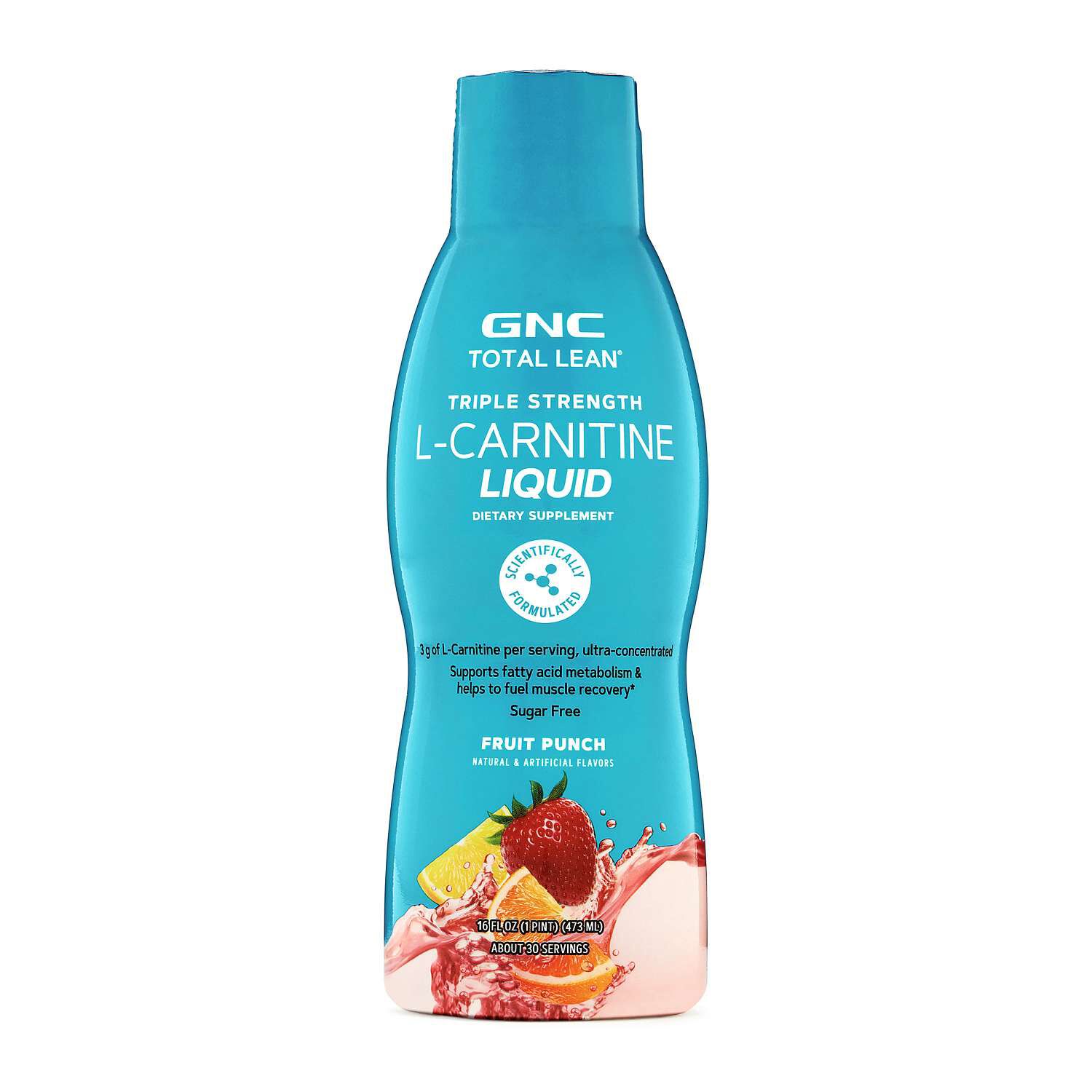
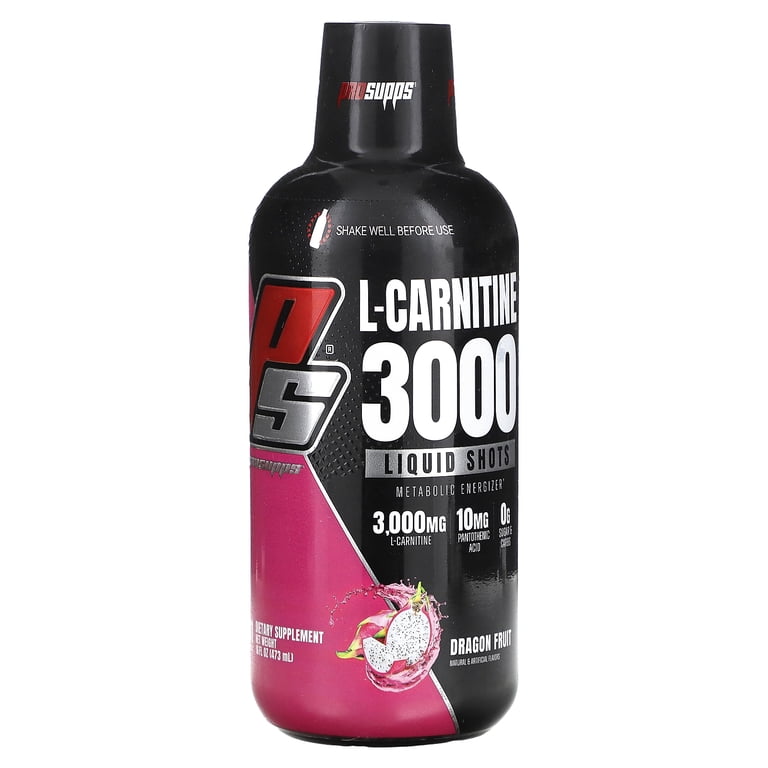
How much muscle you lose during weight loss depends largely on two things: how much protein you eat and whether youre providing a mechanical stimulus through resistance training to signal the body to preserve muscle tissue
Egede LE

You should contact your GP or diabetes care team if: Cold sensitivity is severe, persistent, or progressively worsening You experience cold intolerance accompanied by other symptoms such as extreme fatigue, constipation, dry skin, hair loss, or unexplained weight gain You develop symptoms suggestive of hypothyroidism (underactive thyroid), which can cause cold sensitivity (note that while GLP-1 receptor agonists have been associated with C-cell tumours in rodent studies, there is no established link to hypothyroidism in humans) [1] [2] You notice signs of anaemia, such as pallor, breathlessness, or palpitations, which can cause cold sensitivity Cold hands or feet are accompanied by colour changes (white, blue, or red), pain, or numbness, which may indicate circulatory problems You experience unexplained fever, chills, or rigors, which could suggest infection You have symptoms of hypoglycaemia (low blood sugar) such as shakiness, sweating, or confusion, especially if you also take insulin or sulfonylureas NICE guidance (NG28) recommends regular monitoring of patients on GLP-1 receptor agonists, including assessment of glycaemic control, weight, and tolerability

DPP-4 inhibitors may be preferred for: Patients unable or unwilling to use injectable therapies Elderly individuals where the lower hypoglycaemia risk is particularly valuable Those at high risk of hypoglycaemia from other medications Patients requiring modest glycaemic improvements Individuals where weight neutrality is acceptable or desired Important cautions and contraindications: Do not combine a GLP-1 receptor agonist with a DPP-4 inhibitor