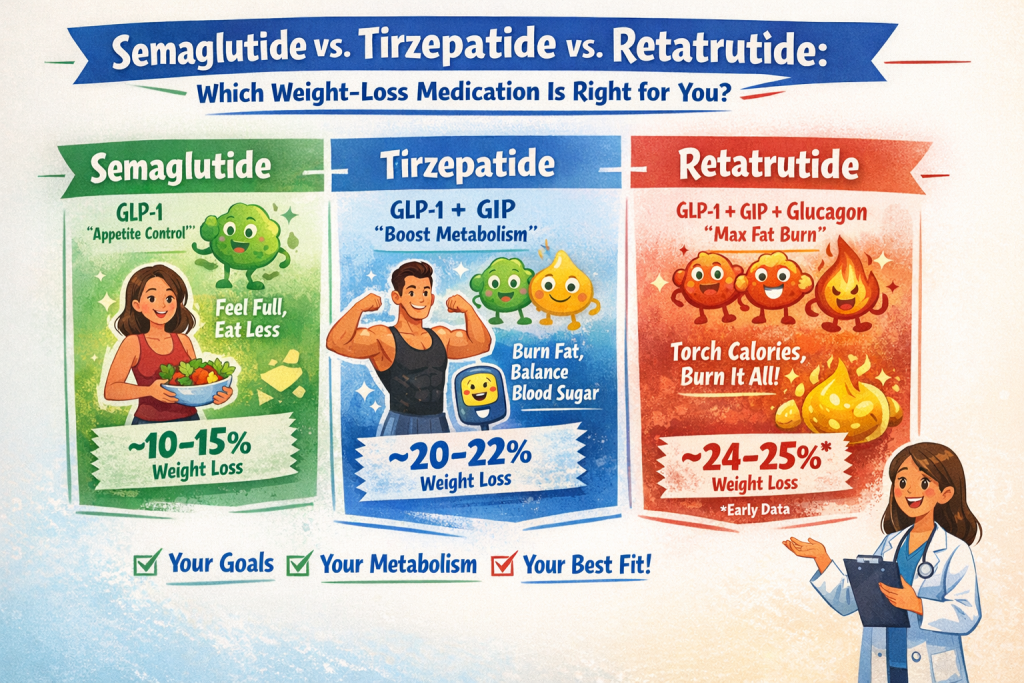
T2DM, also called non-insulin DM, plays a cardinal role in the humongous populace and is triggered by an interplay of environmental and genetic factors (3)
The parenteral administration also halts the progression of neurological damage associated with B12 deficiency, but the complete improvement of the condition may depend on the severity and extent of the deficiency.[12][13] Contraindications & Precautions Cyanocobalamin is contraindicated in those with hypersensitivity to cobalt moiety or cobalamin molecule due to the risk of anaphylaxis.[21] Warnings: The use of cyanocobalamin is warned in patients with early Lebers disease as there have been reports of severe and swift optic atrophy with its administration
References FASEB Journal Biological activities of thymosin 4 defined by active peptide sequences (TB500 fragment identification) Journal of Chromatography A (PubMed) Doping control analysis of TB500 as synthetic thymosin 4 fragment in biological samples WADA Scientific Research Investigation of TB500 metabolism, synthesis of metabolites, and detection limits Racing Medication & Testing Consortium Thymosin 4 regulatory bulletin (TB500 use in equine sports medicine) Journal of Investigative Dermatology (PubMed) Thymosin beta4 accelerates wound healing (preclinical wound healing model) FASEB Journal (PubMed) Active site mapping of thymosin 4 fragments for angiogenesis and cell migration Verified Peptides Storage Guide Lyophilized peptide storage best practices (temperature, humidity, light protection) Empower Pharmacy Bacteriostatic water injection guidelines (0.9% benzyl alcohol, multidose vial stability) NCBI Bookshelf Best practices for subcutaneous injection (aseptic technique, site rotation) WADA Prohibited List TB500 classification as prohibited substance in competitive sports Journal of Investigative Dermatology Thymosin 4 wound healing mechanisms (collagen deposition, angiogenesis, granulation tissue) Journal of Chromatography B (PubMed) Quantification of TB500 metabolites and wound healing activity screening (prodrug hypothesis) CenterWatch Clinical Trials Clinical trial registry for thymosin 4 in acute myocardial infarction (no TB500 specific trials) Nursing Journal (LWW) How to administer subcutaneous injections (clinical technique guidelines) University of Michigan Health Patient education guide for subcutaneous injection technique Related research, protocols, and guides Explore the available research context, protocol variants or comparisons, and practical guides
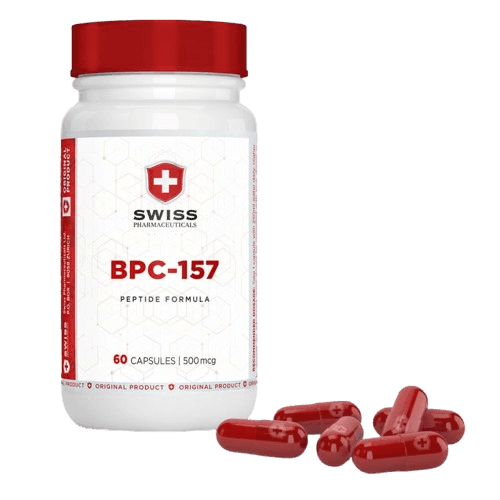
BPC-157 has been discussed by the FDA in the context of bulk drug substances that may present significant safety risks, and TB-500 is generally promoted in research-peptide settings rather than as an FDA-approved therapeutic product