One study found only a 1.47% increased risk of ED in non-diabetic men taking semaglutide for weight loss
No validated oral or topical form
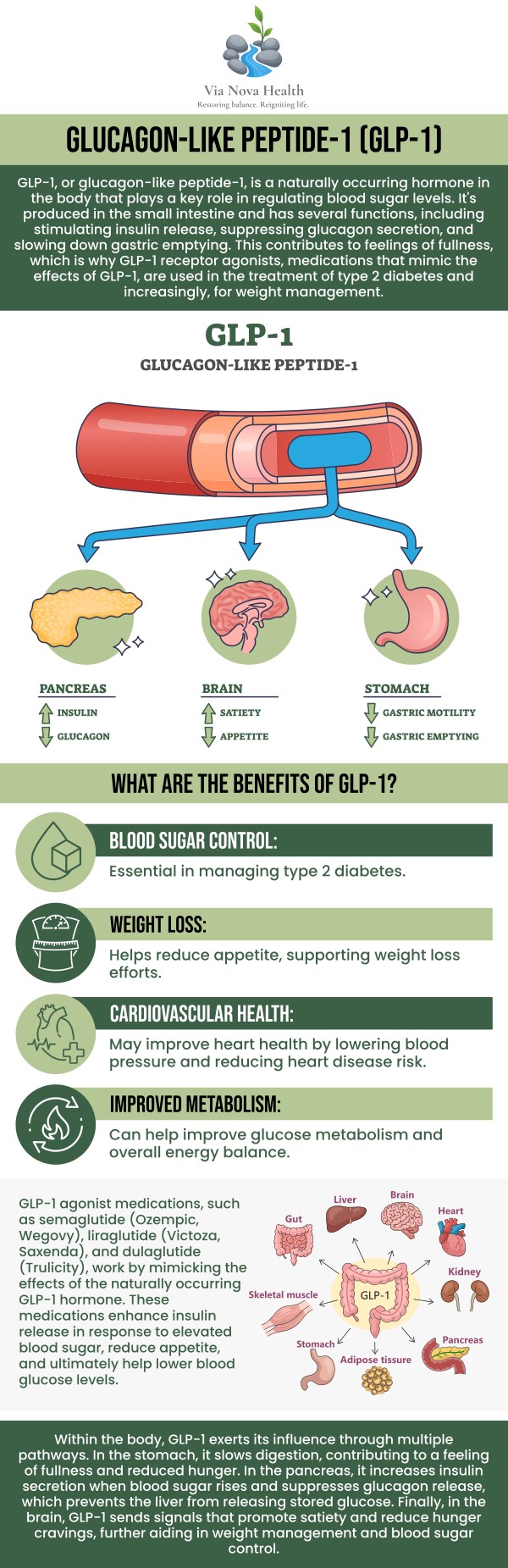
In controlled laboratory settings, Semaglutide (GLP1-S) is studied for its interaction with the GLP-1 receptor pathway, including downstream effects on insulin signaling, glucagon modulation, and intracellular metabolic regulation mechanisms
Comprehensive guide to the most popular research peptides covering mechanisms of action, research applications, laboratory protocols, and sourcing considerations for BPC-157, Semaglutide, Tirzepatide, AOD9604, and 12+ additional peptides TL;DR The Short Answer The most popular research peptides fall into five functional categories: regenerative/protective peptides (BPC-157, TB-500, GHK-Cu, Epithalon), metabolic peptides (Semaglutide, Tirzepatide, AOD9604, 5-Amino-1MQ, MOTS-c, Retatrutide, Cagrilintide), growth hormone secretagogues (CJC-1295, Ipamorelin), behavioral/sleep peptides (DSIP, Selank, Semax), and telomere-related peptides (Epithalon)