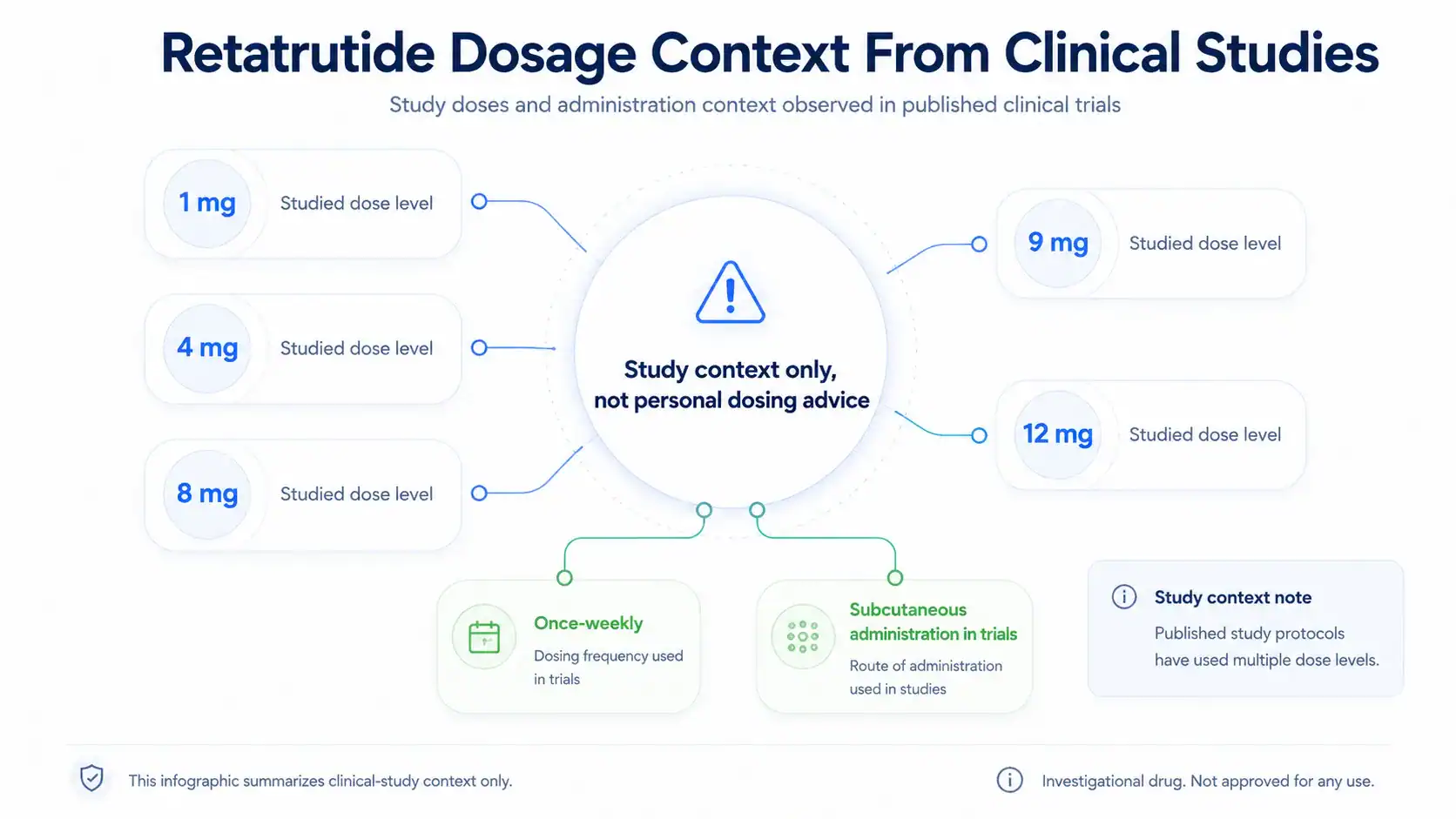
Frequency: Once to twice per week, depending on activity level and therapeutic intent
As noted above, Trxs are responsible for reducing Prx back to their reduced, oxidant-scavenging state, while thioredoxin reductases (TrxRDs) keep the reduced state of Trxs using NAPDH reducing equivalents, as depicted in Figure 2
Areas of active exploration include: Gastrointestinal healing (e.g., IBD, ulcers, leaky gut) Neurodegenerative conditions (e.g., Parkinsons, Alzheimers) Vascular repair (e.g., post-stroke recovery) PTSD and mood disorders Spinal cord injury repair With its unique ability to bridge multiple systemsfrom vascular to neural to connective tissueBPC-157 holds promise in areas far beyond orthopedic healing
By reducing inflammation and minimizing muscle damage, it aids the bodys natural repair processes, making it a valuable addition to any athletes routine