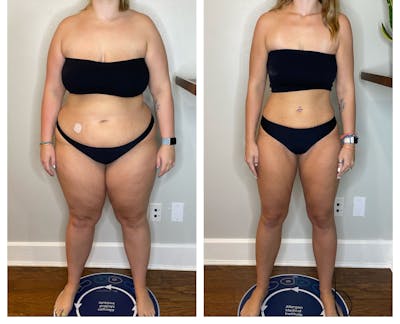
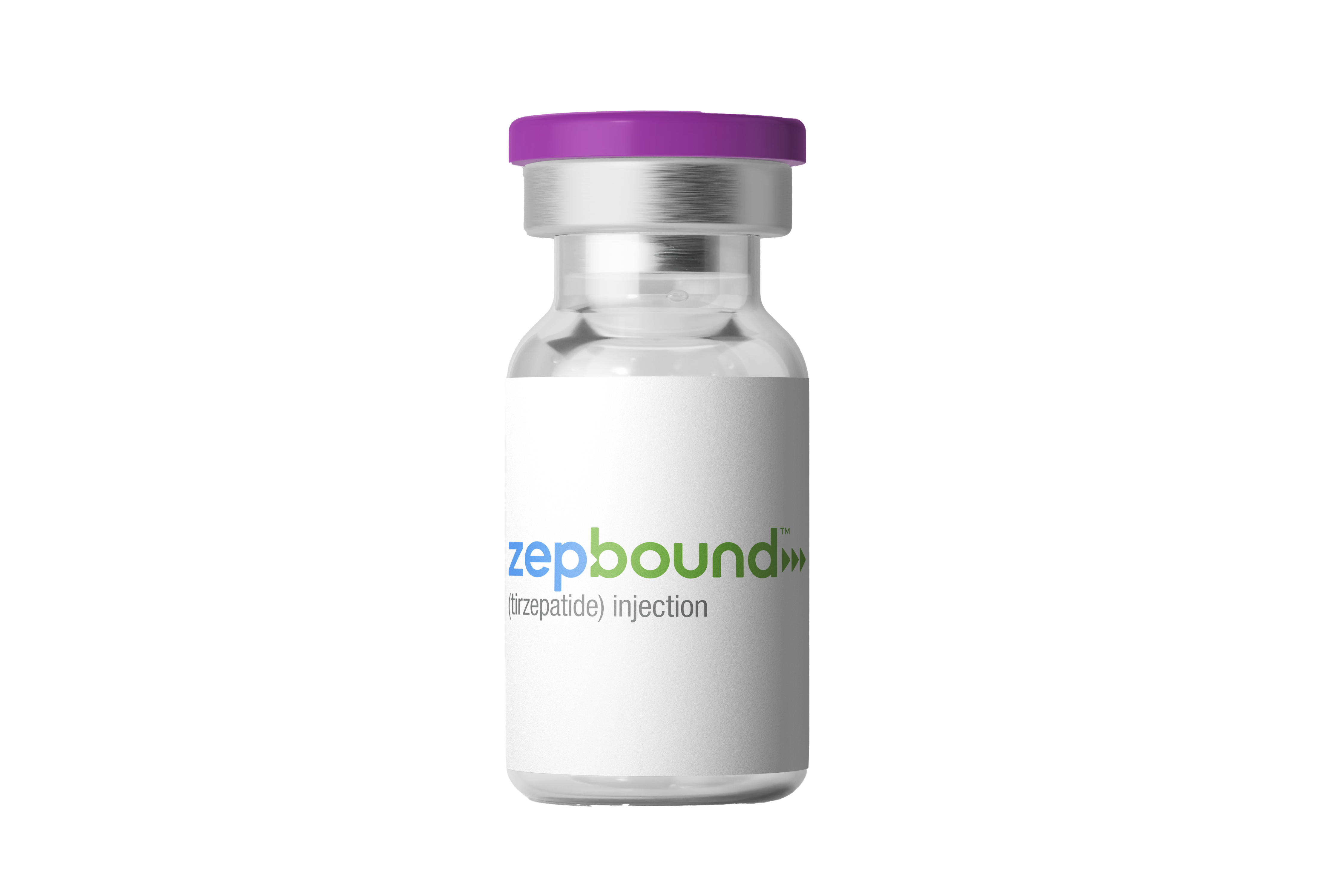
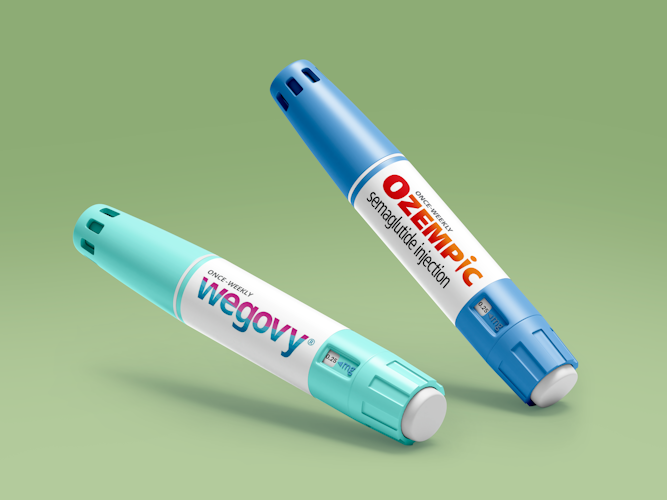
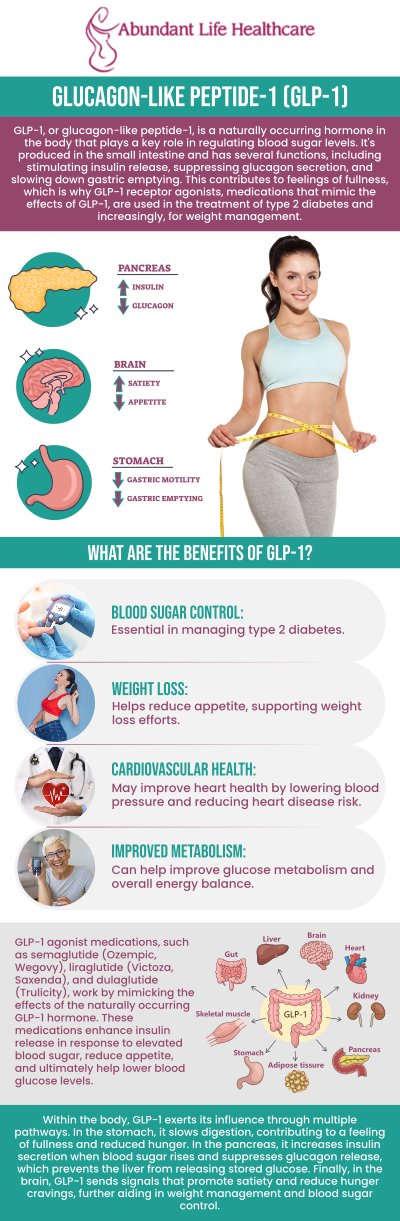
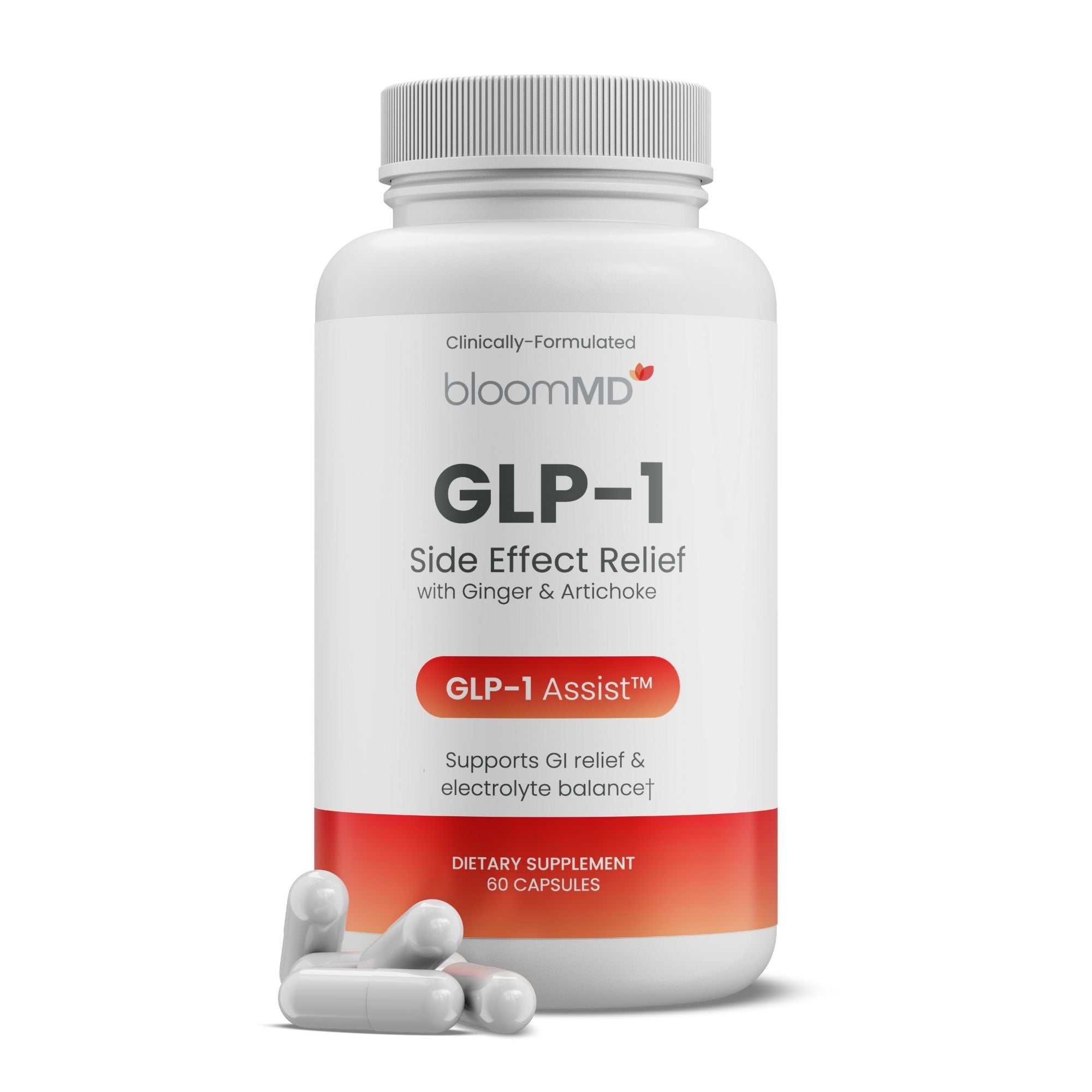
They create conditions that make the work easier reduced hunger, faster early weight loss, improved insulin sensitivity, potential improvement in testosterone

Key protective strategies include: Pre-treatment ophthalmologic evaluation : Establish baseline retinal status before initiating GLP-1 therapy, particularly in patients with diabetes duration exceeding 10 years or poor prior glycemic control Individualized medication titration : Consider a more gradual dose escalation approach to avoid precipitous drops in blood glucose for patients with advanced diabetic retinopathy, in coordination with ophthalmology care Appropriate monitoring : Discuss with your healthcare provider whether more frequent eye examinations are needed based on your individual risk factors and baseline retinal status Prompt reporting of visual symptoms : Contact your healthcare provider immediately if you experience sudden vision loss, new or dense floaters, flashing lights, a "curtain" over your vision, eye pain with vision changes, or any sudden vision disturbance Patients without pre-existing diabetic retinopathy can generally follow standard eye examination schedules and do not require additional ophthalmologic monitoring solely due to GLP-1 use

Additional microbiological testing confirmed no detectable aerobic microorganisms, yeasts or moulds, supporting laboratory-grade quality standards suitable for controlled scientific investigation
After reaching your goal weight, youll transition to a maintenance phase, focusing on sustaining your results through lifestyle habits and periodic follow-ups with your provider