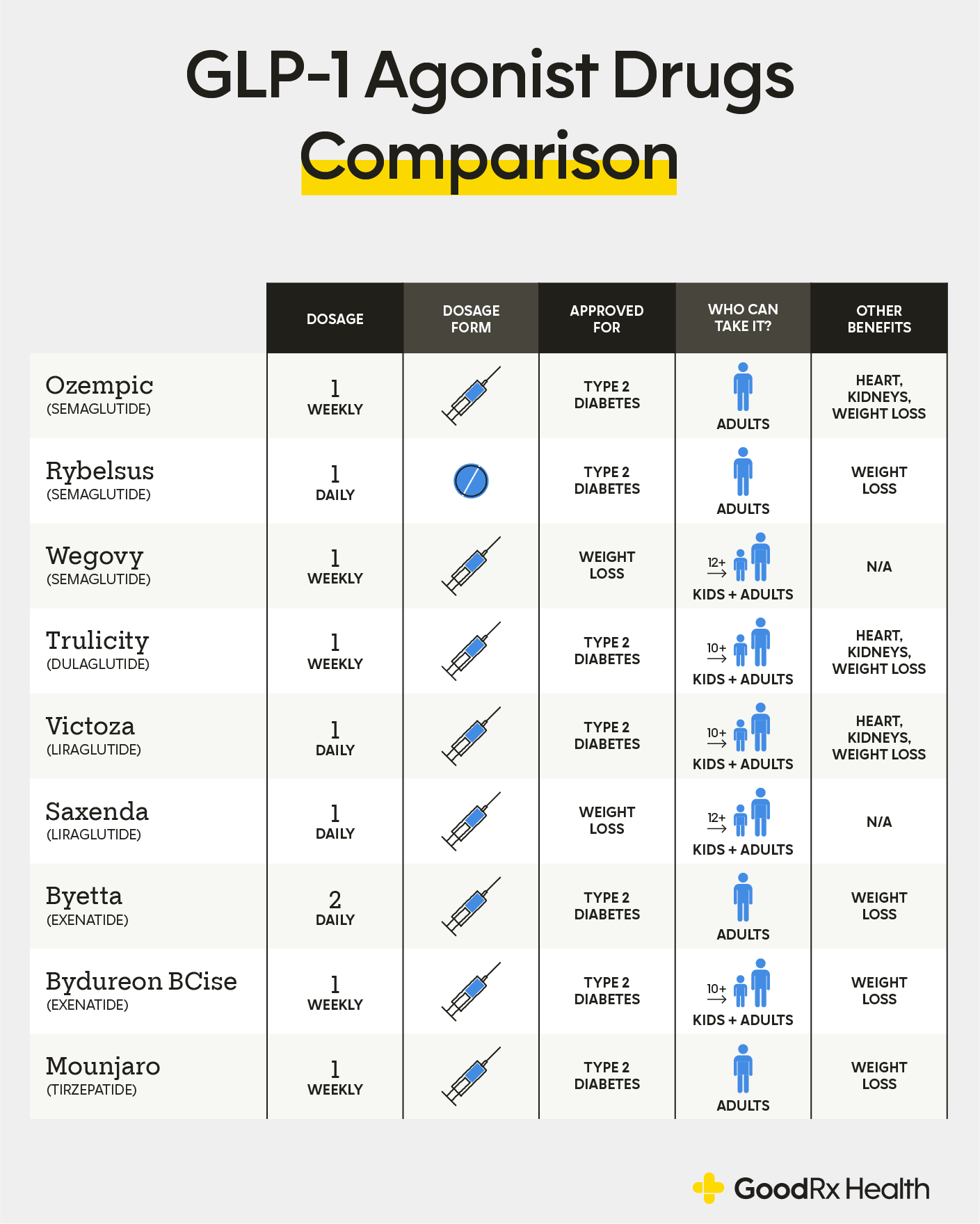
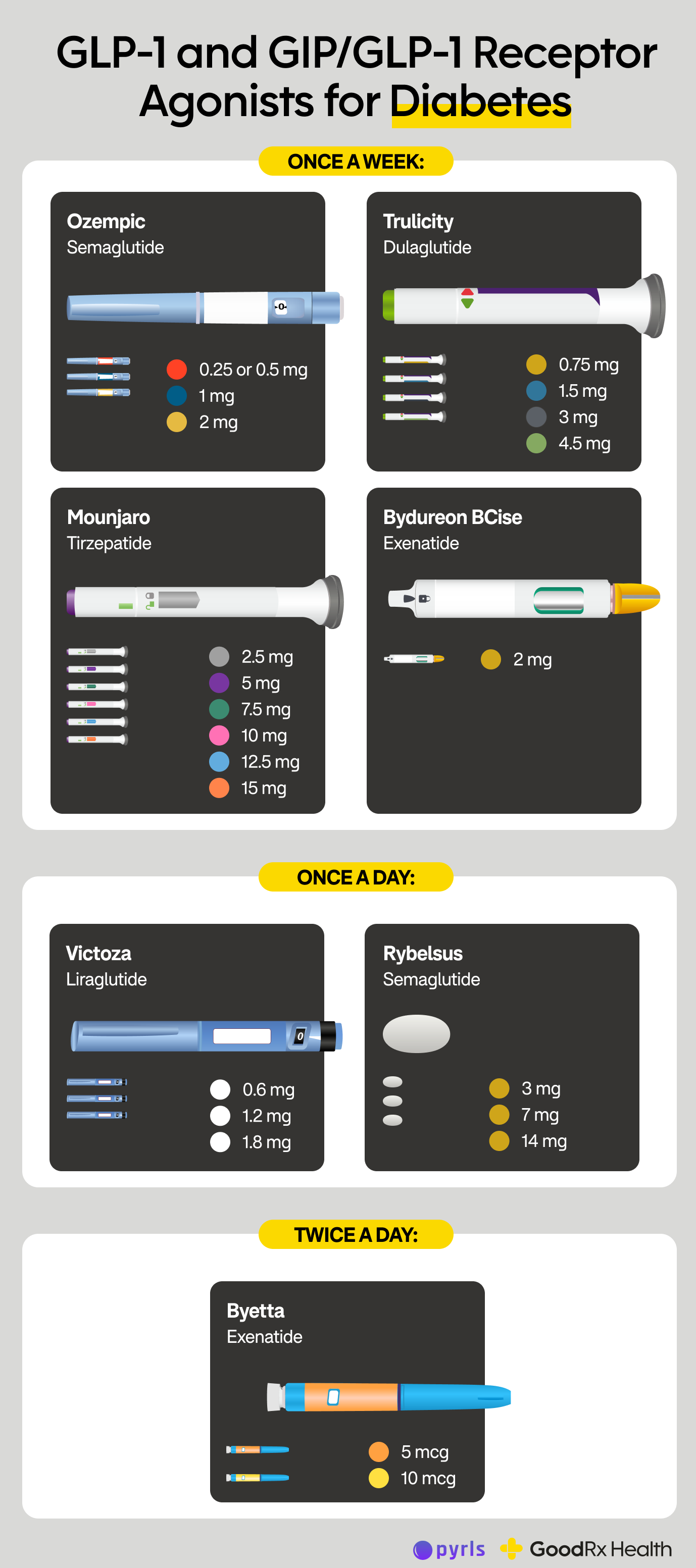
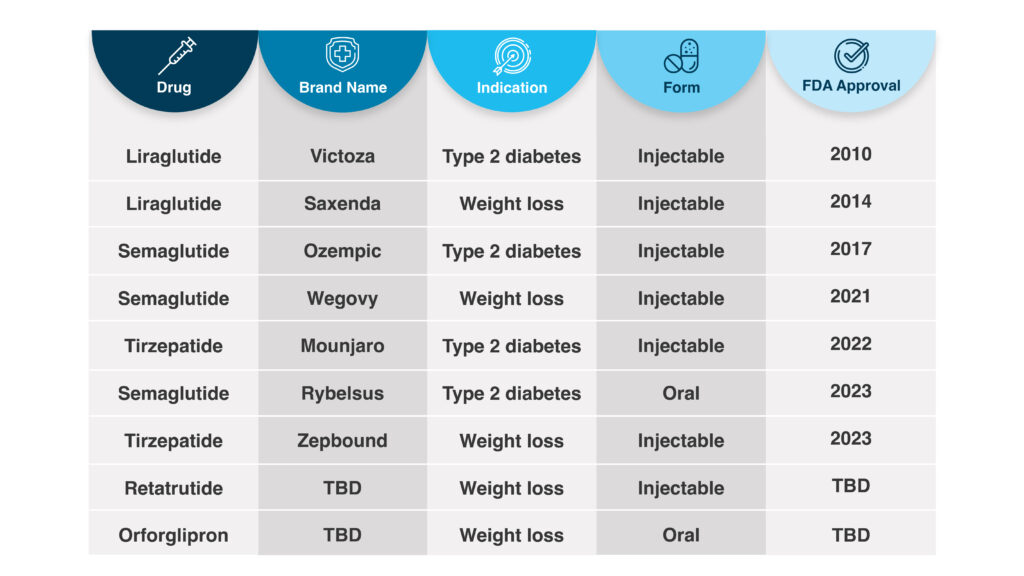
Risk factors that may influence the decision to pause treatment include: Being in the dose-escalation phase of GLP-1 therapy Experiencing active gastrointestinal symptoms (nausea, vomiting, bloating) Having known gastroparesis or other conditions affecting gastric emptying Taking concurrent medications that further delay gastric emptying (e.g., opioids) Undergoing procedures with higher aspiration risk (e.g., emergency surgery, airway surgery) If your anaesthetist or surgical team advises temporary cessation based on your individual risk assessment, the timing will depend on the specific medication: Daily injections (such as liraglutide): Typically paused 24 hours before surgery Weekly injections (such as semaglutide, dulaglutide): Often paused with the last dose given at least 7 days before surgery Oral semaglutide (Rybelsus): Usually paused 24 hours before surgery [4] However, these timings may vary according to local NHS Trust protocols and individual clinical assessment

Concentrated urine contains higher levels of urea, creatinine, and other nitrogenous waste products
Our IV Therapy Lounge is complete with phantom full-body massage chairs, comfy leather seating, heating pads, charging stations, and the best brain wave therapy, NuCalm, to recharge and reboot your brain health
That can be, for example, the speed at which food is released from the stomach. Thats true not just for the spaghetti you had for dinner, but for any medication you swallow